
Cream Chamber
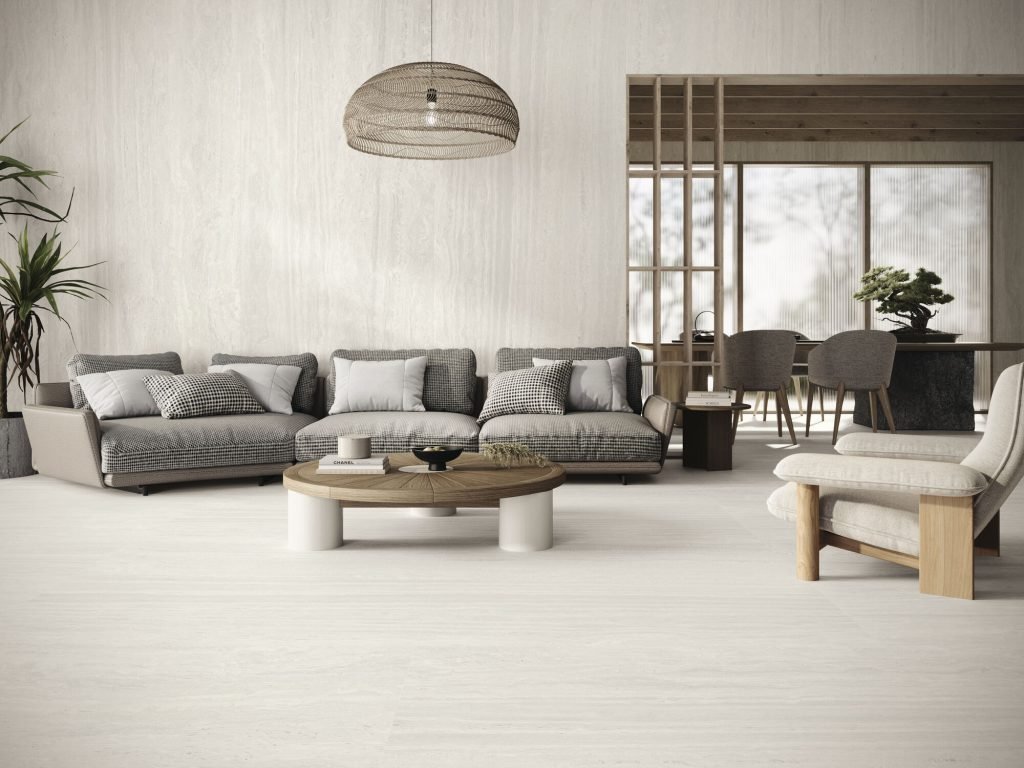
Warm cream stone in oversized porcelain.
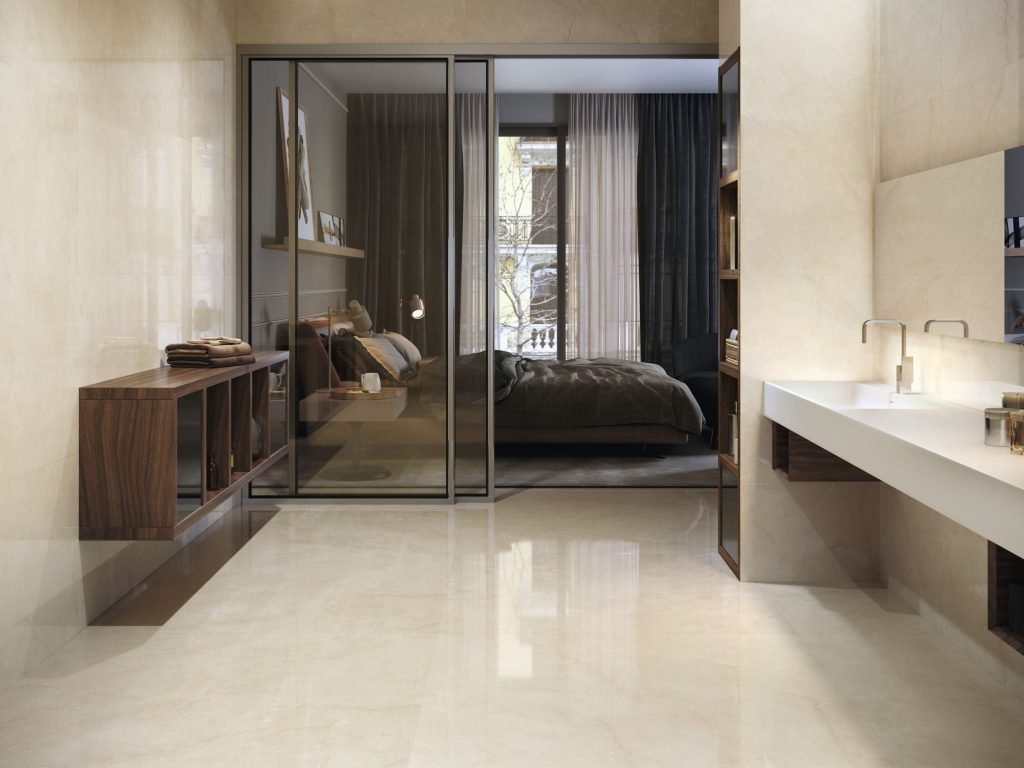
Cream Chamber
Cream Chamber is part of our premium large format tile collection, offering oversized porcelain tiles and slabs that minimize grout lines and create seamless, contemporary surfaces. Available in our Richmond showroom.
Cream Chamber bathes rooms in soft ivory, a warm cream stone face carried across large format porcelain panels. Gentle tonal drift and non-repeating faces keep the 120 x 60 and 120 x 120 cm pieces from ever looking flat or manufactured. It is a light-maximizing surface: in the Polished finish it reflects daylight deep into a room, while Natural gives a serene, honed calm.
Pale natural stones demand vigilance; this porcelain does not. Coffee, wine and cosmetics wipe away from the non-porous face, no sealing is ever needed, and the cream tone stays true in strong sun. For Vancouver homes fighting dim winters, a cream floor or wall in a nearly seamless format is one of the simplest ways to brighten a plan permanently.
Specifications
Colors & Variations
Face Variations
Click any tile face to view in detail
Applications
Where Cream Chamber Works
Light-hungry living spaces
A cream 120 x 120 cm floor amplifies whatever daylight a room receives, which is useful in basements, north-facing plans and condos where window exposure is limited.
Serene ensuite bathrooms
Floor-to-ceiling cream panels create a spa envelope with barely visible joints. Keep the Natural finish underfoot in wet zones and use either finish on the surrounding walls.
Kitchen floors with pale cabinetry
Cream ties white and wood kitchens together more softly than stark white tile, and porcelain shrugs off the oil and acid spills a kitchen floor collects.
Bright stair halls and landings
Floor-grade 12 mm panels take the concentrated traffic of stair halls and landings, and the pale tone keeps multi-level circulation spaces feeling open, connected and bright.
Design Notes
Pairing & Layout Ideas
Cream Chamber is a gift to layered neutral schemes: white oak, boucle and plaster tones settle into it effortlessly, and both brass and matte black hardware read cleanly against cream. For contrast, Fox from the same large format family makes a striking dark companion on a fireplace or accent wall. Use an ivory grout a half-shade darker than the tile so joints stay quiet but the floor gains just enough definition.
FAQ
Cream Chamber Questions
Will a cream floor show every mark?
Less than you would expect. Cream hides dust and pale lint far better than dark surfaces, and the gentle tonal movement in the face disguises footprints. Porcelain cannot stain, so the realistic maintenance is a regular sweep and a damp mop after messes.
Is Cream Chamber closer to white or beige?
It lives between them, a warm ivory rather than a stark white or a brown beige. The collection offers tonal options, and the finish shifts the read as well, with Polished appearing slightly lighter. Compare panels against your paint and cabinetry before committing.
Which finish should a bathroom use?
Walls take either finish happily, and Polished walls bounce lovely light in a cream room. Floors that get wet should be the Natural finish, which offers more grip when soapy water is involved. Mixing the two finishes in one bathroom is common and looks deliberate.
How do I see how it looks in my lighting?
Take home samples from our Richmond showroom and view them morning and night against your walls and cabinets. Cream tones swing warmer under evening bulbs and cooler in daylight, so a full day with the sample answers more than an hour in any showroom.
Visit Our Richmond Showroom
Experience the difference of seeing and touching our materials in person.