
Buying Guides
Sintered Stone vs Quartz vs Granite: Choosing a Countertop Surface
July 11, 2026 · Ace Premium Tile & Stone
Part of our guide: Tile and Stone Materials Explained: Porcelain, Ceramic, Marble and Sintered Stone
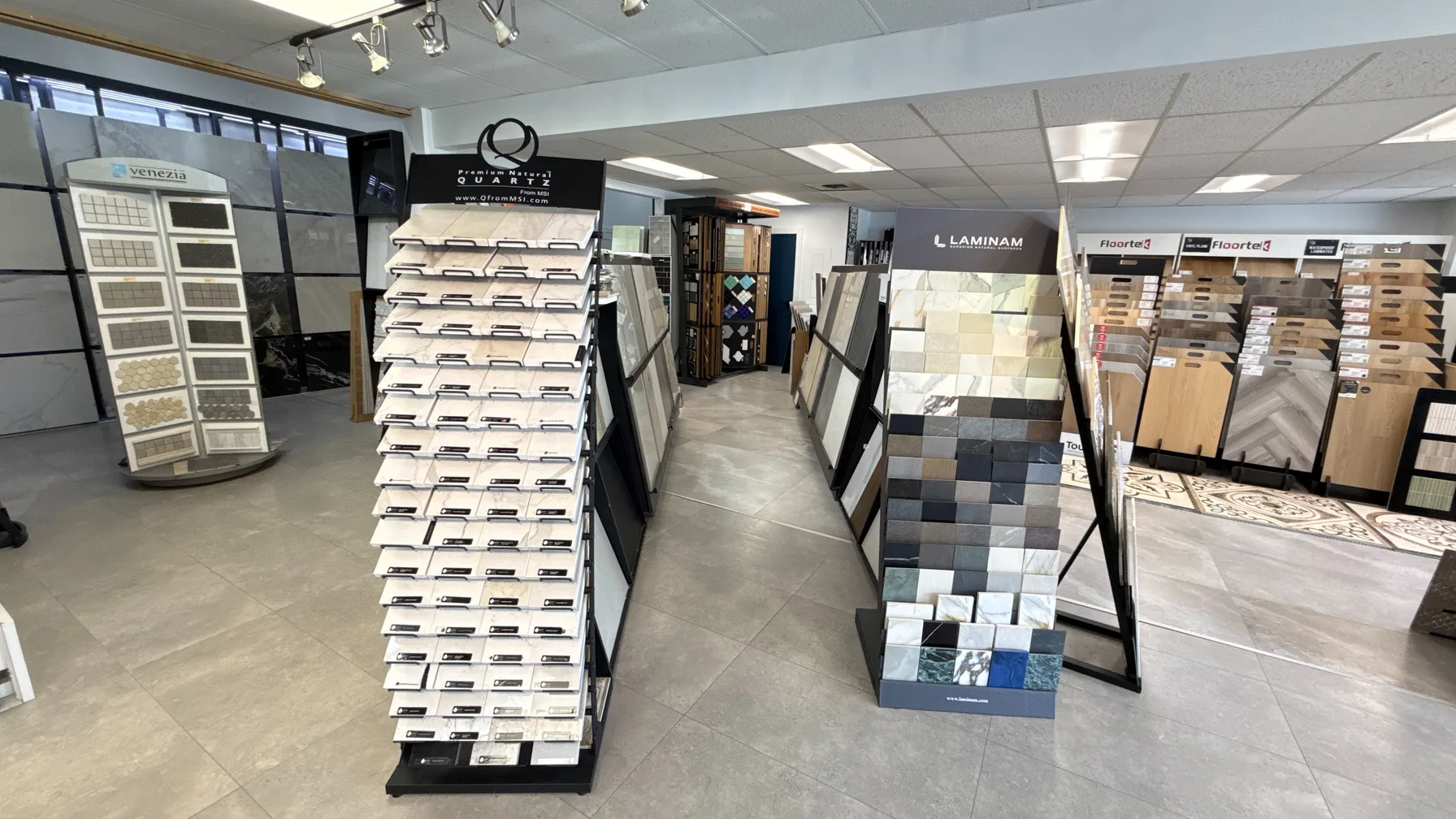
A countertop takes more abuse than almost any surface in the home: hot pans set down without a trivet, knives that miss the cutting board, red wine left overnight, and in a lot of Lower Mainland kitchens, direct sun pouring through a west-facing window. Three materials dominate the conversation when homeowners come into our Richmond showroom asking about a new counter: sintered stone, quartz, and granite. They look similar on a sample board, but they behave very differently in daily use. Here is how to tell them apart and match one to your kitchen.
What each material actually is
Granite is a natural stone, quarried in slabs and cut to your layout. Every piece is unique, with the mineral movement and grain you only get from real rock. Because it is porous, granite needs to be sealed, and that seal has to be refreshed periodically to keep liquids from soaking in.
Quartz is an engineered surface. It is made from crushed natural quartz bound together with resin and pigment, then pressed into slabs. That resin is what gives quartz its consistent color and its non-porous, no-seal surface. It is also the material's weak point, which we will get to.
Sintered stone is the newest of the three. It is made from natural minerals compacted under very high pressure and heat, with no resin binder at all. That single difference, the absence of resin, is what sets its performance apart.
Heat, UV, and scratch resistance
This is where the materials separate clearly.
- Heat: Sintered stone is highly heat resistant because there is no resin to scorch or discolor. Granite handles heat well too, being fired by nature. Quartz is the one to watch: the resin in it can scorch or yellow if a hot pot sits directly on the surface, so trivets are a must.
- UV and fading: Sintered stone is UV stable, which means it holds its color in direct sunlight. That makes it a strong candidate for a sunlit kitchen island or an outdoor counter. Quartz can fade or yellow with prolonged sun exposure, so most quartz is not recommended outdoors.
- Scratch: Sintered stone is scratch resistant. Granite is hard and resists scratching well. Quartz is durable day to day but is not immune to scratching from hard objects.
None of this makes quartz a poor choice indoors, where it is easy to live with and needs no sealing. It simply means the demands of heat and sun favor sintered stone. If your kitchen gets strong afternoon light, or you are the type to set a pan straight from the stove onto the counter, that difference is worth weighing carefully before you commit.
The outdoor kitchen question
Outdoor counters are common around Greater Vancouver, from covered patios to full summer kitchens. Our climate swings from strong summer sun to damp, freezing winters, and that freeze-thaw cycle is hard on materials that absorb water. Sintered stone's UV stability and heat resistance make it well suited to an exposed counter, while quartz generally belongs inside. Granite can work outdoors but the sealing routine becomes more of a chore in the elements. If you are planning an outdoor bar or grill surround, sintered stone is usually the surface we steer people toward.
Look, thickness, and format
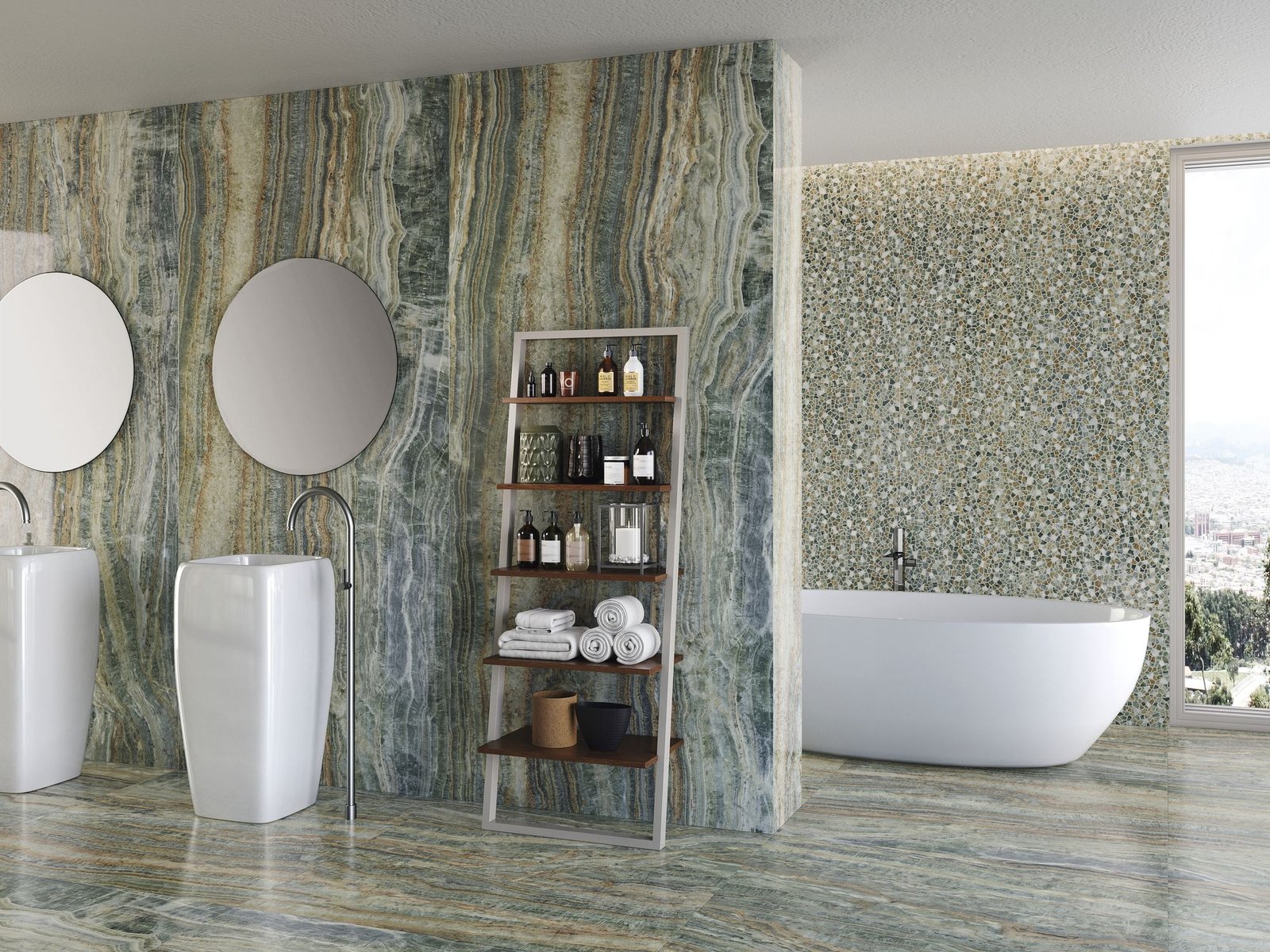
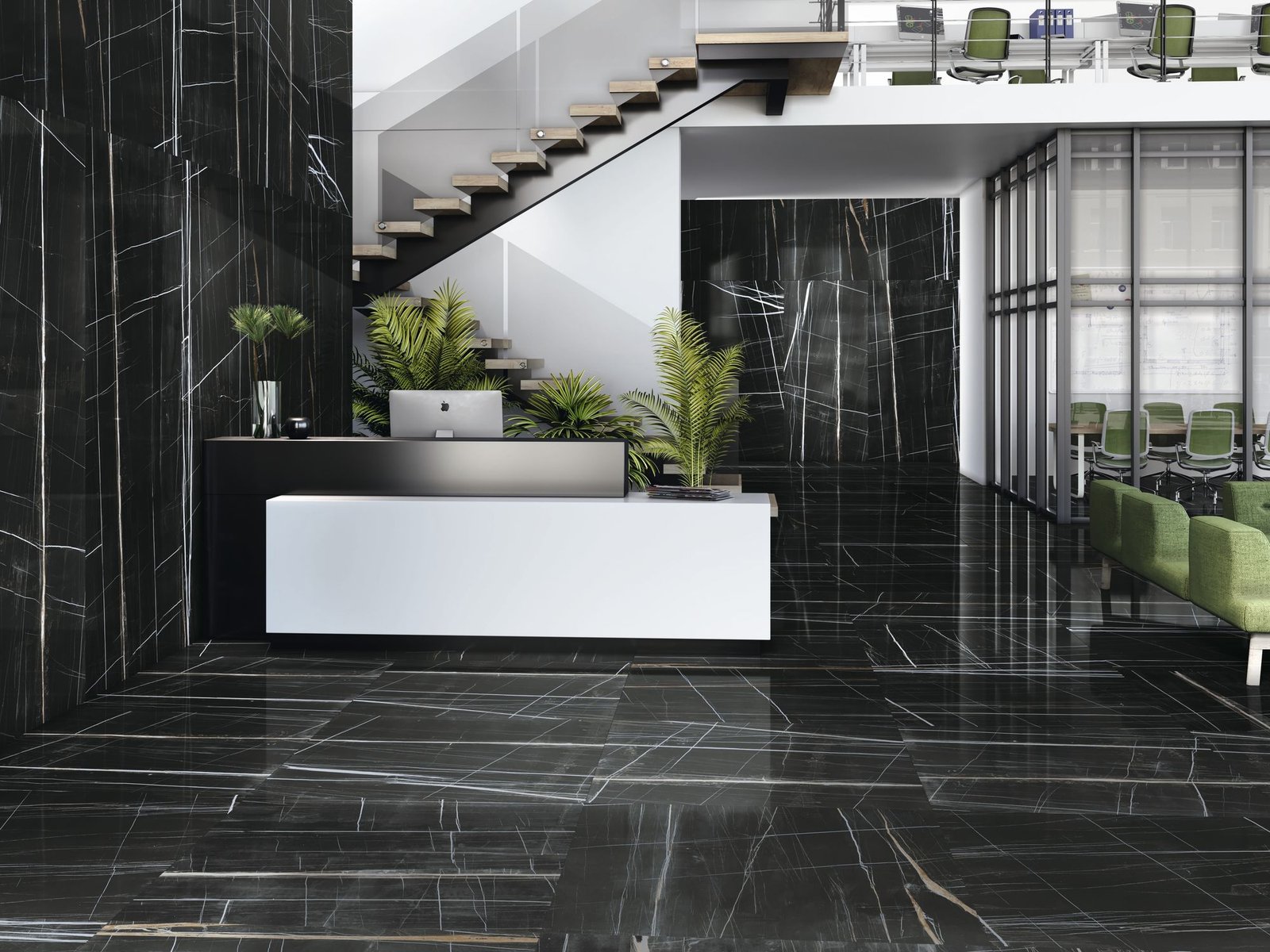
All three can deliver a marble-look vein, a concrete look, or a solid color, so aesthetics are rarely the deciding factor anymore. Where sintered stone stands out is in large-format slabs, which let you run a counter or a waterfall island end with very few seams. If you like the idea of a continuous surface with minimal interruption, browse our large-format tiles collection for a sense of the scale and patterns available. Slabs like Grace, Eternal, and Titanium show how a single expanse can read across a whole run.
Maintenance over the years
Think past installation day to how the counter ages.
Granite asks for periodic sealing and a little care with acidic spills. Quartz asks for almost nothing beyond wiping it down, as long as you protect it from direct heat and, if it ever sees sun, from prolonged exposure. Sintered stone is the lowest-maintenance of the three: no sealing, no resin to worry about, and it shrugs off heat, UV, and scratches. For a busy family kitchen, or a home where the counter doubles as a landing pad for hot cookware, that resilience is worth a lot.
Matching the surface to your kitchen
A quick way to narrow it down:
- If you want a unique natural stone and do not mind sealing, granite is the classic answer.
- If you want a consistent indoor look with near-zero upkeep and you are diligent with trivets, quartz is easy to love.
- If heat, sun, or an outdoor location are in play, or you simply want the most durable option with no sealing, sintered stone earns its place.
Because these are large slabs cut to your specific layout, the right move is to see full sheets in person rather than judging from a small chip. You can review options on our slabs page before you visit, then compare the real material side by side. Pricing on countertops is always by quote, since it depends on your slab, edge profile, and layout.
Come see the slabs in person
The grain of a granite, the depth of a quartz vein, the way sintered stone reads under kitchen light: these are decisions best made with the material in front of you. Visit our showroom at #3-11240 Bridgeport Rd in Richmond, call us at 604-270-4993, or reach out through our contact page, and our team will help you choose the surface that fits how you actually cook and live.
Related Reading
More in This Guide
Porcelain vs Ceramic Tile: How to Choose for Your Project
The real differences between porcelain and ceramic tile, water absorption, durability, and where each belongs, for Greater Vancouver homes and projects.
Large Format Tile: Where Oversized Slabs Work Best
The benefits and trade-offs of large format porcelain tile and slabs, and the rooms and walls where minimal grout lines pay off.
12 Marble-Look Porcelain Tile Collections to See in Richmond BC
A tour of the marble-look porcelain tile collections on display at Ace Premium Tile & Stone in Richmond BC, from Carrara and Calacatta looks to onyx and crema tones.
Featured in this article
Explore These Collections

Planning a Project?
Visit our Richmond showroom to see and touch these materials, or get in touch for samples, pricing, and expert advice.