
Outdoor Living
Outdoor Porcelain Pavers for Vancouver Patios, Rooftops and Pool Decks
June 28, 2026 · Ace Premium Tile & Stone
Part of our guide: Flooring and Outdoor Tile in Greater Vancouver: A Complete Guide
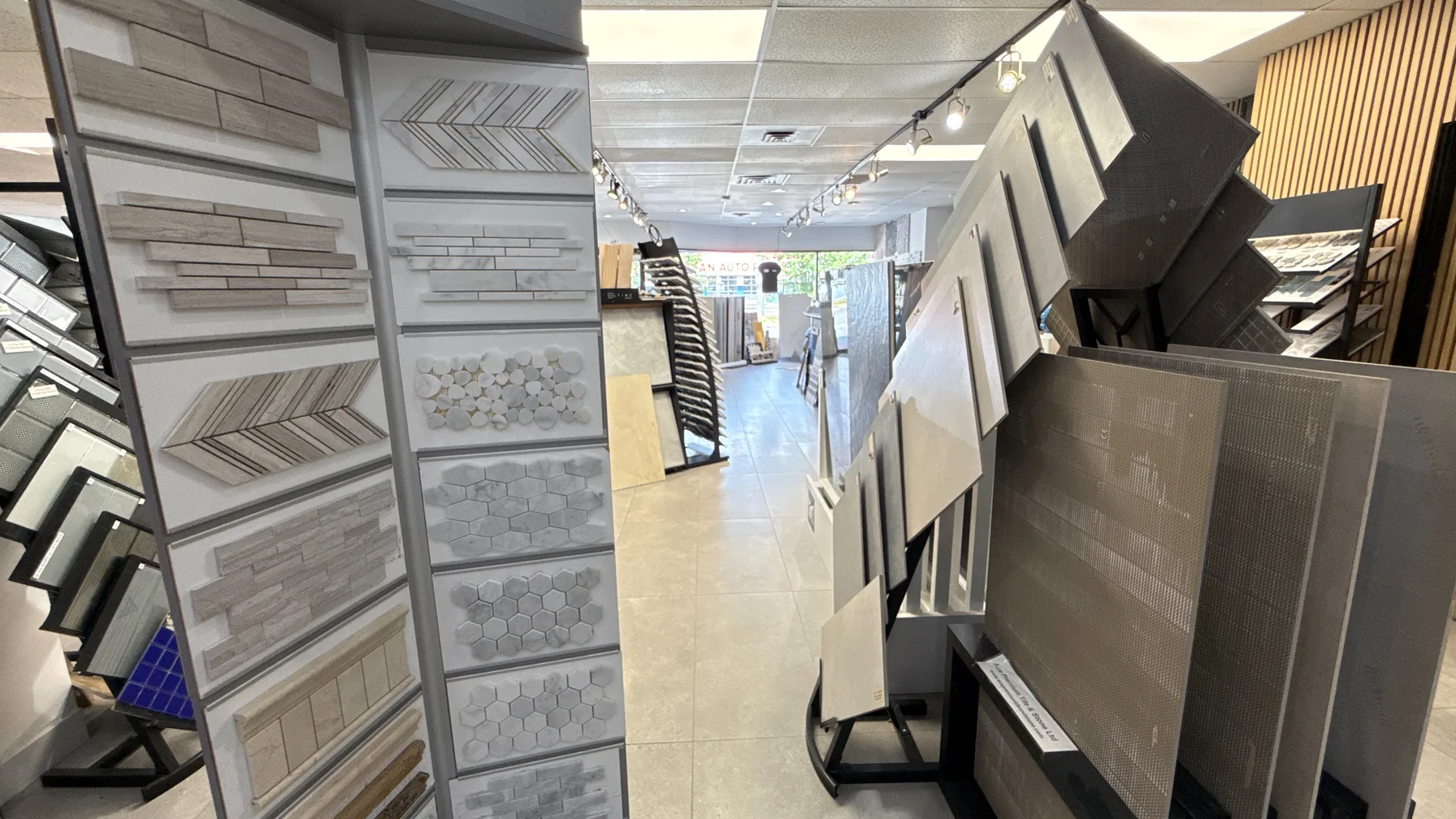
Poured concrete has been the default for Vancouver patios for decades, and it has a habit of letting people down. It stains, it cracks along the joints, and after a few winters of freeze and thaw it starts to spall and flake at the surface. A 2cm porcelain paver solves most of those problems at once, which is why more Lower Mainland homeowners are choosing it for patios, rooftop terraces, and pool surrounds. Here is how these pavers work and where they belong.
Why 2cm porcelain suits our climate
An outdoor porcelain paver is not the same tile you would put on an interior floor. It is a thicker slab, typically 2cm, engineered to carry weight and take the abuse of an exterior setting. Because it is porcelain, it absorbs very little water, and that is the property that matters most here.
Greater Vancouver does not get one long, deep freeze. We get repeated freeze-thaw cycles: a cold snap, a thaw, rain, then another cold snap. Water that soaks into concrete or a more absorbent surface freezes, expands, and pries the material apart over time. A dense porcelain body gives that water almost nowhere to go, so the paver resists the cracking and surface flaking that shortens the life of concrete. Porcelain is also frost resistant and scratch resistant by nature, and the colour is fired through the surface rather than coated on, so it does not fade under UV the way some sealants and stains do.
You can see the range of exterior options on our outdoor tiles collections page, which groups the pavers built for this kind of use.
Four ways to install them
One of the real advantages of 2cm pavers is flexibility. The same slab can be installed several ways depending on the site, the budget, and how permanent you want the result to be.
- Pedestals: Adjustable pedestals lift the pavers off the substrate and let you level a surface precisely, which is ideal for rooftops and terraces where drainage and a dead-level finish matter. The gaps between pavers let water drain straight through.
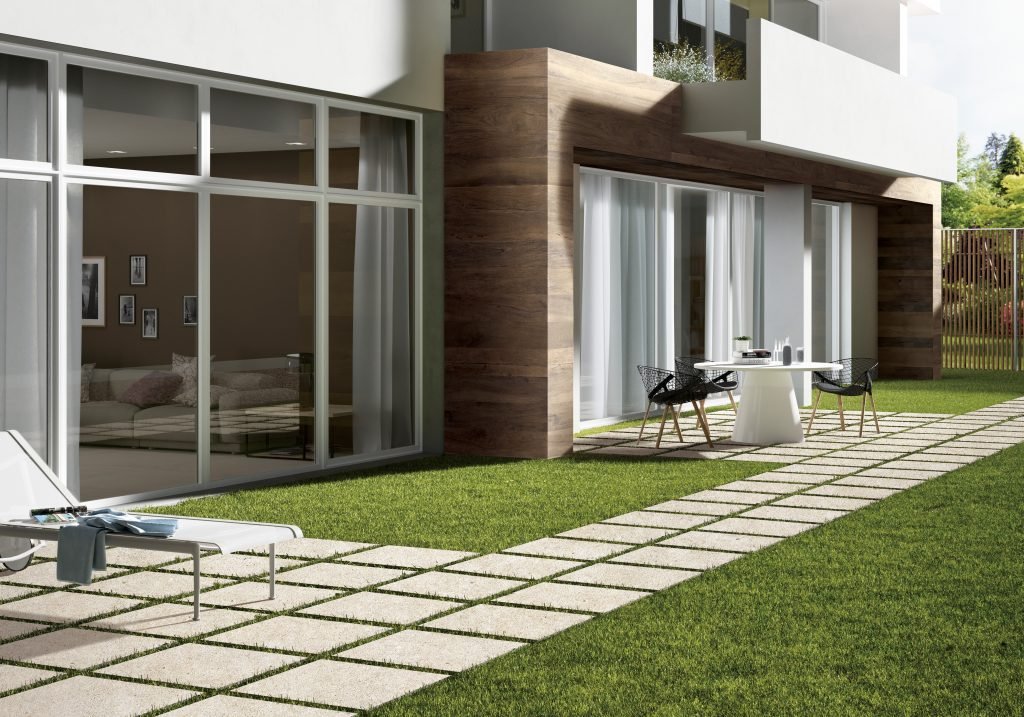
- Gravel: Setting pavers on a compacted gravel base is a straightforward approach for garden paths and casual patio areas. It drains well and can be adjusted later.
- Sand: A sand-set installation, similar to how traditional pavers are laid, gives a stable walking surface for patios and is forgiving to install.
- Mortar: For a fully bonded, permanent patio, pavers can be set in mortar over a proper base, much like an interior tile floor but built for the outdoors.
The right method depends on the site. A rooftop terrace almost always points toward pedestals, while a ground-level garden patio might be perfectly served by gravel or sand.
Matching the paver to the space
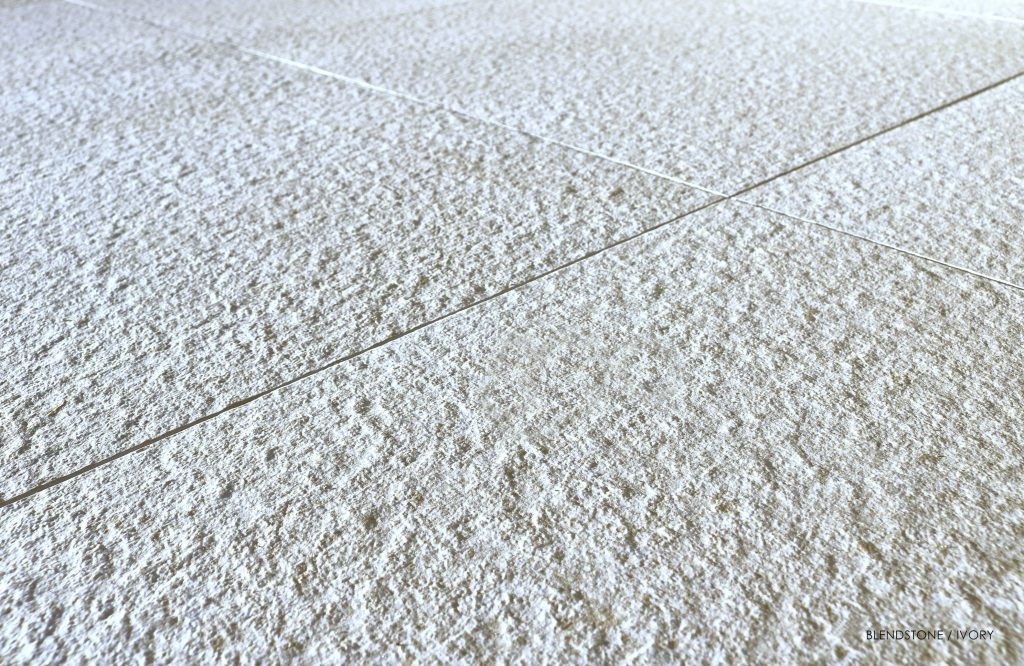
Different outdoor areas ask for different things. For a family patio that connects to the kitchen, a stone-look or concrete-look paver such as those in the Project range keeps the surface calm and easy to furnish. For a more textured, natural-stone feel underfoot around a garden or seating area, a collection like Stoneland reads warmer and more organic. A layered, slate-inspired look such as Blendstone suits a contemporary Lower Mainland home where the patio is meant to feel like an extension of the interior floor.
A detail worth knowing: many outdoor pavers have an interior tile counterpart in the same colour and finish. That lets you run one look from the kitchen straight out to the patio, so the indoor and outdoor spaces feel continuous rather than divided by the door. It is a simple trick that makes a modest patio feel like part of the house rather than an afterthought bolted onto the back of it.
Size plays a part too. Larger pavers read calm and modern and suit an open terrace, while a smaller format can define a path or a seating nook. On a compact city lot, common enough across Richmond and the wider region, keeping the format consistent helps a small yard feel more generous than it is.
Pool decks and safety
Around a pool, finish is not a style question, it is a safety one. A polished surface turns dangerous the moment it is wet, so pool decks call for a textured or structured finish that grips underfoot. Outdoor porcelain pavers are commonly made in exactly these grippier finishes, which is a large part of why they have become a common choice for pool surrounds across the region. The low water absorption helps here too, because the surface dries and cleans more readily than a porous alternative.
Built for Vancouver weather and low maintenance
Beyond surviving the freeze-thaw cycle, porcelain pavers are simple to live with. They do not need sealing the way natural stone does, they resist moss and stains better than concrete, and they clean up with water and mild soap. In a climate that keeps outdoor surfaces damp for much of the year, that low upkeep is a genuine advantage. You get a patio, terrace, or deck that still looks right several winters from now with very little fuss.
The one thing to plan for is drainage and slope, whichever install method you choose. Water needs a path away from the house and, on a rooftop, a route to the drains. This is worth getting right at the start, and it is one of the things we are glad to talk through before you commit to a layout.
See the options in person
Outdoor pavers are easiest to choose with a sample in hand, outdoors, where you can judge the texture and how the colour reads in daylight. Bring your project details to our showroom at #3-11240 Bridgeport Rd in Richmond, or call 604-270-4993, and we will help you match the right paver and install method to your patio, rooftop, or pool deck. You can also reach us through the contact page.
Related Reading
More in This Guide
Wood-Look Tile vs Laminate vs Vinyl Flooring: Which Is Right?
A clear comparison of wood-look porcelain tile, laminate, and luxury vinyl plank for durability, moisture, and where each fits.
Outdoor Porcelain Paver Collections for Vancouver Patios and Rooftops
Every 2cm outdoor porcelain paver collection at Ace Premium Tile & Stone in Richmond BC: Project, Stoneland, Timberwood, Blendstone and more, plus pedestal systems.
Featured in this article
Explore These Collections

Planning a Project?
Visit our Richmond showroom to see and touch these materials, or get in touch for samples, pricing, and expert advice.