
Care & Maintenance
How to Clean and Care for Porcelain Tile
July 25, 2026 · Ace Premium Tile & Stone
Part of our guide: Tile and Stone Materials Explained: Porcelain, Ceramic, Marble and Sintered Stone
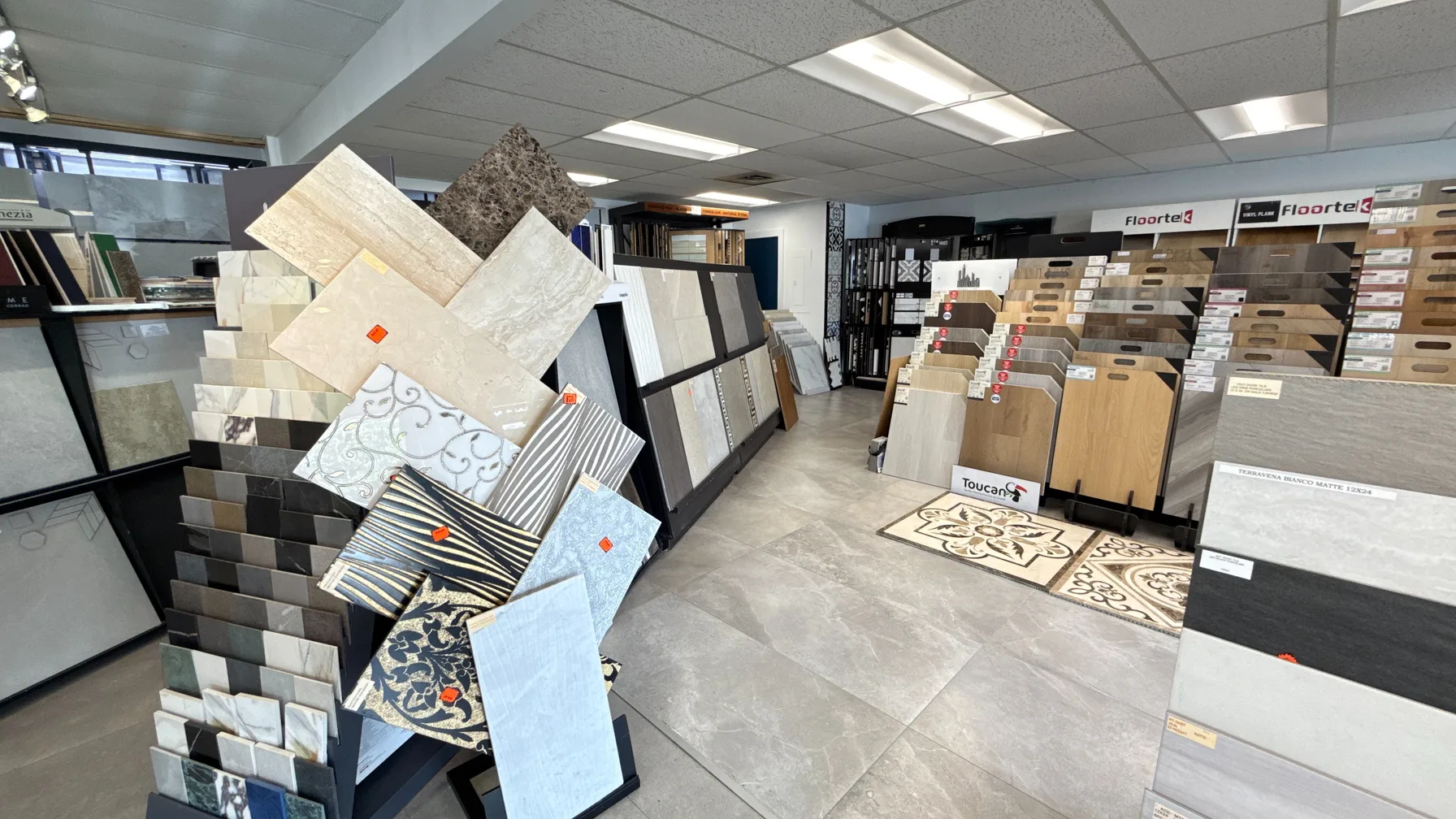
Of all the surfaces in a home, porcelain tile asks the least of you. It is fired dense enough to absorb almost no water, so spills sit on top instead of soaking in, and it never needs the sealing that natural stone demands. That low-maintenance nature is exactly why so many Lower Mainland homeowners choose it. Still, "low maintenance" is not "no maintenance," and a few good habits will keep a porcelain floor looking the way it did the day it went down.
Why porcelain is so easy to live with
Understanding the material makes the routine obvious. Because porcelain tile is fired at high temperatures into a very dense body, its water absorption is extremely low. Liquids, cosmetics, cooking oils, and cleaning products cannot penetrate the surface the way they can with a more porous material. That density is also what gives porcelain its frost resistance and its resistance to scratching, both of which matter here on the coast where a floor might see wet boots in January and bare feet in July.
The practical upshot: most of what lands on porcelain is a surface problem, not a soaked-in stain. Clean it off and the tile is genuinely clean underneath. Compare that to natural stone or marble, which needs periodic sealing and can etch when it meets an acidic cleaner or a splash of lemon, and you can see why porcelain has become the workhorse choice for kitchens, entryways, and busy family floors.
The everyday routine
You do not need a cabinet full of specialty products. A simple weekly rhythm keeps porcelain in good shape:
- Dry sweep or vacuum first. Grit is the real enemy. Fine sand and dust act like sandpaper underfoot, and getting it up before you wet the floor prevents the dull, scuffed look that develops over years of dragging debris around.
- Mop with warm water and a small amount of pH-neutral cleaner. Warm water alone handles most days. For a deeper clean, a neutral floor cleaner cuts through kitchen film without leaving residue.
- Rinse if you used soap. Leftover detergent is what makes a floor look hazy or feel tacky. A pass with clean water solves it.
- Dry any standing water on polished finishes to avoid spotting from our hard tap water.
That is the whole program for most homes. Textured and matte finishes, common on floors for grip, hide daily wear well but hold onto grime a little more in their surface, so they reward slightly more attention with the mop.
What to avoid
The mistakes people make with porcelain are almost always about using too much of the wrong thing.
Skip wax and oil-based cleaners entirely. Porcelain does not need a coating, and film-forming products leave a cloudy layer that attracts dirt and dulls the surface over time. If a floor has gone hazy, the cause is usually residue, not the tile itself.
Go easy on harsh acids and strong bleaches as a routine cleaner. Porcelain itself is tough, but repeated heavy chemical use is hard on grout and on any adjacent natural stone trim. Steel wool and abrasive scouring pads can also scuff a polished finish, so reach for a soft cloth or a nylon pad instead. When a stubborn mark will not budge, a paste of baking soda and water worked gently is safer than a scratchy abrasive.
Grout is where floors show their age
Here is the honest truth most homeowners learn eventually: the tile almost never fails, but the grout can look tired long before the porcelain does. Grout is more porous than the tile around it, so it collects the dirt that the porcelain shrugs off.
Keep grout lines looking fresh with a soft brush and a mild cleaner, working the solution in and rinsing well. For build-up in a shower or a high-traffic hallway, an oxygen-based cleaner is gentler on the grout than bleach and does a thorough job. If your installation included a grout sealer, a light re-application every year or two keeps stains from setting in. This is one reason larger-format tile has become popular in Greater Vancouver renovations: fewer grout lines mean less grout to maintain and a calmer look overall.
Real spills, handled
Life happens on a floor. Coffee, red wine, pet accidents, and tracked-in road salt from a wet Richmond winter all wipe up cleanly from porcelain if you get to them reasonably soon. Blot liquids rather than smearing them, clean with warm water and neutral cleaner, and rinse. Because the tile body does not absorb, you are not fighting a set-in stain, you are just removing what is sitting on the surface.
Salt and grit deserve a special mention in our climate. During the wet months, entry areas take the brunt of it. A mat at the door and a quick sweep keep that abrasive material from grinding into the finish, which does more to preserve a floor long term than any product you can buy.
The payoff
Porcelain rewards a light touch. Sweep often, mop with plain warm water most of the time, save the neutral cleaner for when it needs it, keep the grout tended, and skip the waxes and harsh acids. Do that and a porcelain floor will look sharp for decades with a fraction of the effort that stone requires. If you are weighing porcelain against other options for a renovation, browsing our collections or the marble-look ranges in person is the easiest way to see how different finishes handle daily life.
If you want a hands-on look at porcelain finishes, or advice on caring for a floor you already own, visit our Richmond showroom at #3-11240 Bridgeport Rd, or call us at 604-270-4993. You can also reach the team through our contact page.
Related Reading
More in This Guide
Porcelain vs Ceramic Tile: How to Choose for Your Project
The real differences between porcelain and ceramic tile, water absorption, durability, and where each belongs, for Greater Vancouver homes and projects.
Large Format Tile: Where Oversized Slabs Work Best
The benefits and trade-offs of large format porcelain tile and slabs, and the rooms and walls where minimal grout lines pay off.
12 Marble-Look Porcelain Tile Collections to See in Richmond BC
A tour of the marble-look porcelain tile collections on display at Ace Premium Tile & Stone in Richmond BC, from Carrara and Calacatta looks to onyx and crema tones.
Featured in this article
Explore These Collections
Planning a Project?
Visit our Richmond showroom to see and touch these materials, or get in touch for samples, pricing, and expert advice.