
Buying Guides
Wood-Look Tile vs Laminate vs Vinyl Flooring: Which Is Right?
July 4, 2026 · Ace Premium Tile & Stone
Part of our guide: Flooring and Outdoor Tile in Greater Vancouver: A Complete Guide
Everyone wants the warmth of a wood floor, but real hardwood and a wet coastal climate are not natural allies. So most Lower Mainland homeowners end up choosing between three wood-look options instead: wood-look porcelain tile, laminate, and luxury vinyl plank. They can look almost identical in a photo, yet they wear, handle water, and feel underfoot in very different ways. Here is how to decide which one belongs in your room.
The three contenders, briefly
Wood-look porcelain tile is a fired ceramic product printed and textured to mimic timber planks. It is real tile: dense, hard, and installed with thinset and grout. Because it is porcelain, it absorbs almost no water and does not need sealing.
Laminate is a wood-fiber core topped with a printed decorative layer and a clear wear surface, then finished with a plank texture. It clicks together as a floating floor over an underlayment, which makes it quick to install.
Luxury vinyl plank, often called LVP, is a fully synthetic plank built on a flexible or rigid core. It is naturally water resistant and, like laminate, usually installs as a click-together floating floor.
At a glance the three can be hard to tell apart on a showroom board, and the printed grain on modern laminate and vinyl has come a long way. The real differences show up over years of use, not in the first impression, so it pays to think about the room rather than the sample.
Moisture: the deciding factor in Vancouver
If you take one thing from this comparison, make it this. Our winters are long and damp, entryways track in rain for months, and kitchens and bathrooms see steam and spills year round. Moisture is the test that separates these floors.
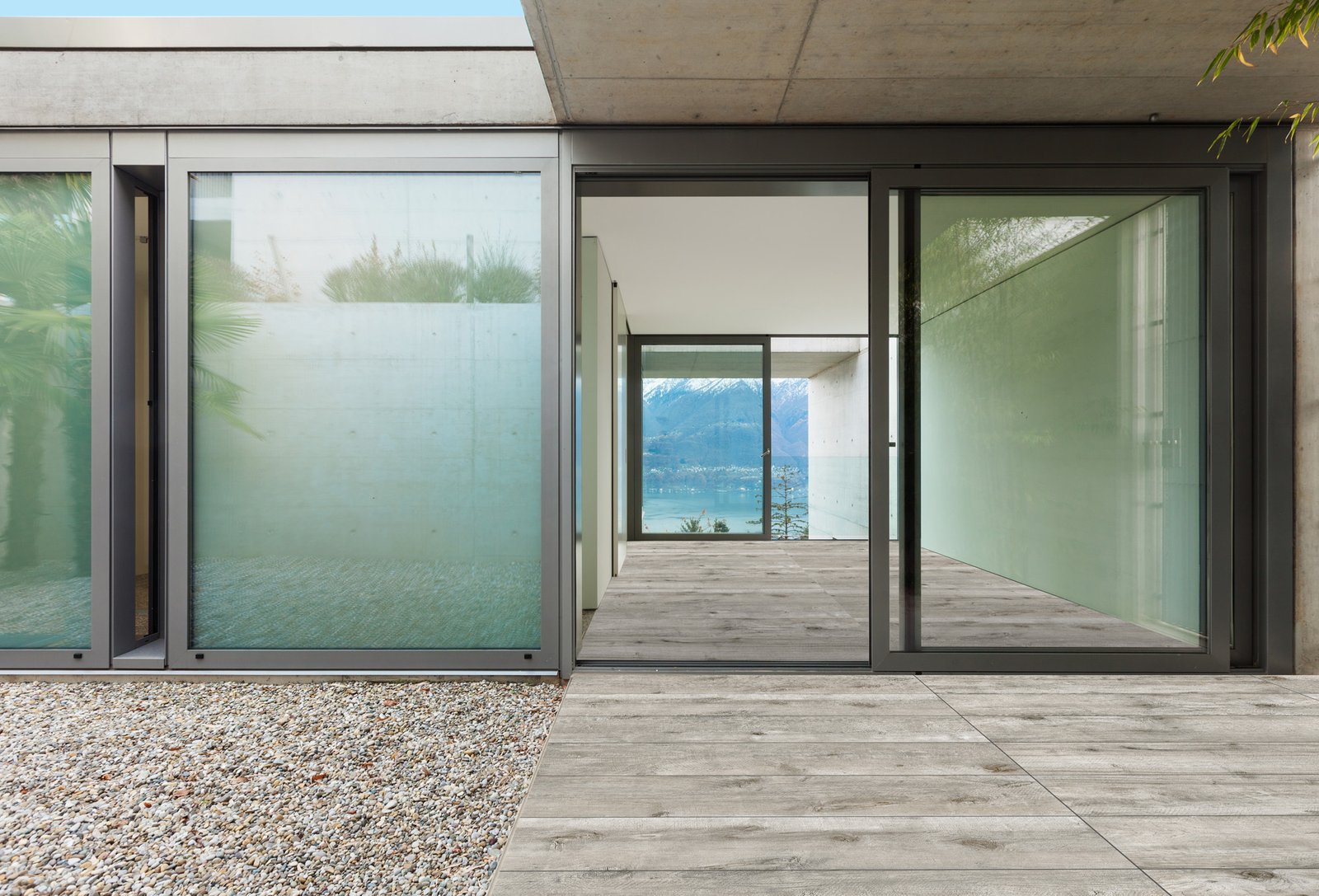
- Porcelain tile is the strongest performer with water. It does not absorb moisture, so it is at home in bathrooms, laundry rooms, mudrooms, and any spot that gets wet. It is also the only one of the three you can run outdoors on a covered patio.
- Vinyl plank is water resistant and shrugs off spills and damp, which makes it a sensible choice for kitchens, basements, and busy family areas.
- Laminate is the most vulnerable. Its wood-fiber core can swell if water sits in the seams, so laminate is best kept to bedrooms, living rooms, and hallways rather than wet zones.
You can compare the full range of surfaces on our flooring overview to see how each type is meant to be used. In older Lower Mainland homes with limited ventilation and the occasional damp basement, that moisture tolerance often ends up being the single most important factor in the decision.
Durability and how each feels underfoot
Porcelain tile is the hardest and longest-wearing of the three. It resists scratches from pet claws and grit, it will not dent under furniture, and it holds up to decades of traffic. The trade-off is that it is hard and cool underfoot, which many people love in summer and pair with in-floor heating in winter.
Laminate has a tough wear layer that resists surface scratching well, though a deep gouge exposes the core. It feels a little softer and warmer than tile. You can read more about the format on our laminate flooring page.
Vinyl plank is softer and quieter underfoot than both, with a bit of give that is easy on the legs during a long day in the kitchen. It resists scratches and dents reasonably well, and the softer surface tends to feel warmer in winter than tile does. Our vinyl flooring selection shows the plank looks and textures available, from pale oak tones to darker, more dramatic grains.
Installation and subfloor
How a floor goes down matters for cost and timeline.
- Porcelain tile is a full installation: it needs a flat, sound subfloor, thinset, and grout, and it takes the most labor. That effort buys you the most durable, most water-resistant result. We offer both supply-only and full supply-and-install.
- Laminate floats over an underlayment and clicks together, so it goes in quickly with minimal mess.
- Vinyl plank also floats and clicks, and rigid-core versions can span minor subfloor imperfections better than laminate.
Because the labor and materials differ so much, countertop-style flat pricing does not apply here. We quote flooring by the room, based on the product, the square footage, and whether you want us to install.
Matching the floor to the room
A simple way to sort it out for a typical Greater Vancouver home:
- Wet or hard-wearing zones, bathrooms, mudrooms, laundry, entryways: choose wood-look porcelain tile. If you like a rustic plank look, something like Timberwood carries the timber aesthetic into spaces tile is built for, and a plank such as Larchwood shows how the wood look reads on a feature wall.
- Kitchens, basements, and high-traffic family spaces: vinyl plank gives water resistance with a softer, quieter step.
- Bedrooms and living rooms where moisture is not a concern and warmth matters: laminate is comfortable and cost-effective.
None of these is the wrong answer on its own. The right pick depends on the room, how wet it gets, and how the floor needs to feel. In a lot of homes, we end up specifying more than one: tile through the wet zones, vinyl or laminate through the dry ones, with plank looks chosen to flow together.
See and feel them side by side
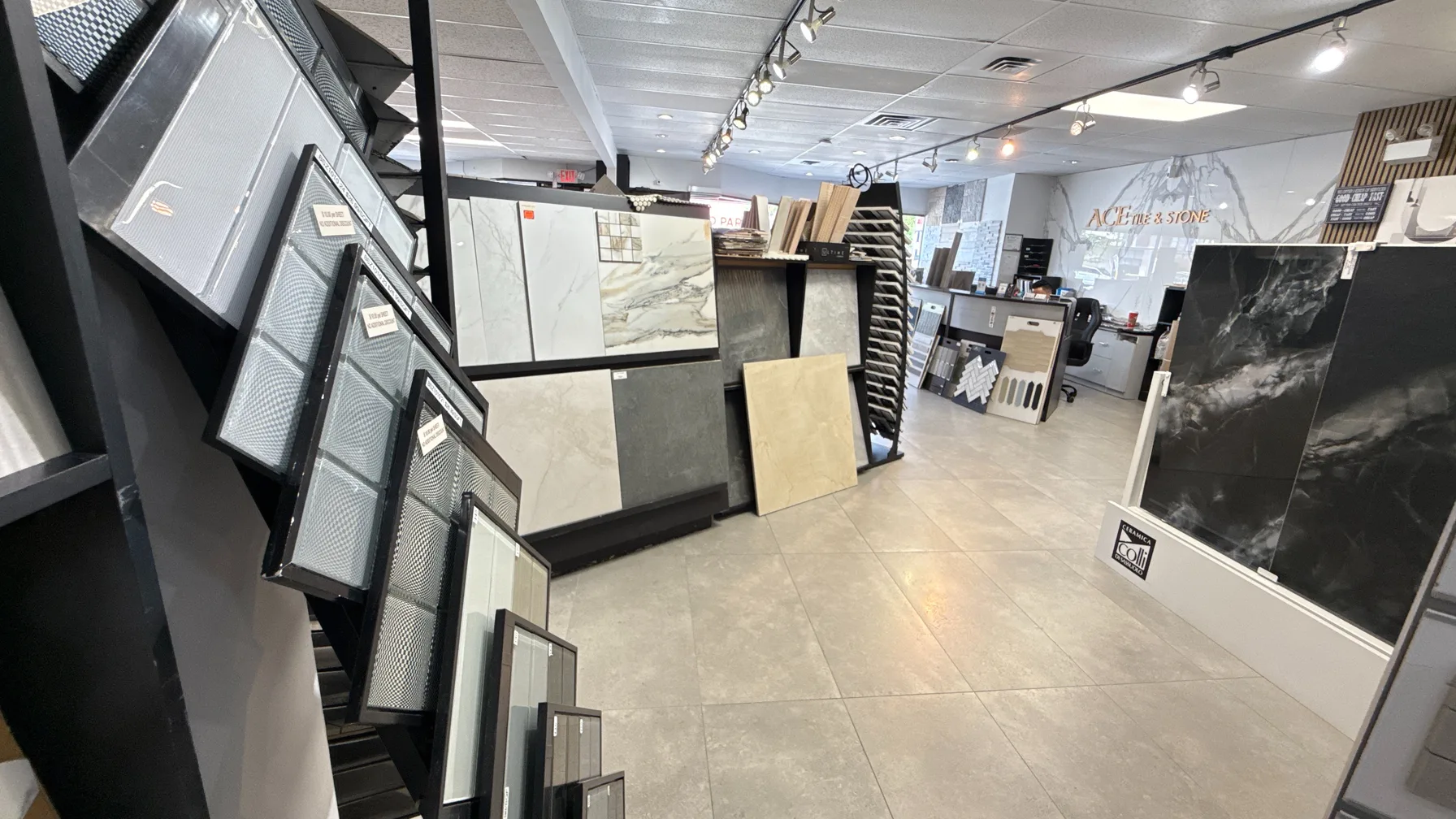
A sample chip cannot tell you how a floor sounds, how warm it feels, or how convincing the texture is up close. Visit our showroom at #3-11240 Bridgeport Rd in Richmond, call 604-270-4993, or get in touch through our contact page, and we will help you match the right floor to each room in your home.
Related Reading
More in This Guide
Outdoor Porcelain Pavers for Vancouver Patios, Rooftops and Pool Decks
Why 2cm porcelain pavers handle Lower Mainland freeze-thaw better than concrete, plus install options for patios, rooftops, and pool decks.
Outdoor Porcelain Paver Collections for Vancouver Patios and Rooftops
Every 2cm outdoor porcelain paver collection at Ace Premium Tile & Stone in Richmond BC: Project, Stoneland, Timberwood, Blendstone and more, plus pedestal systems.
Featured in this article
Explore These Collections

Planning a Project?
Visit our Richmond showroom to see and touch these materials, or get in touch for samples, pricing, and expert advice.