
How To
Heated Floors Under Tile: What Vancouver Homeowners Should Know
July 18, 2026 · Ace Premium Tile & Stone
Part of our guide: How to Choose Bathroom Tile That Lasts in a Wet Vancouver Climate
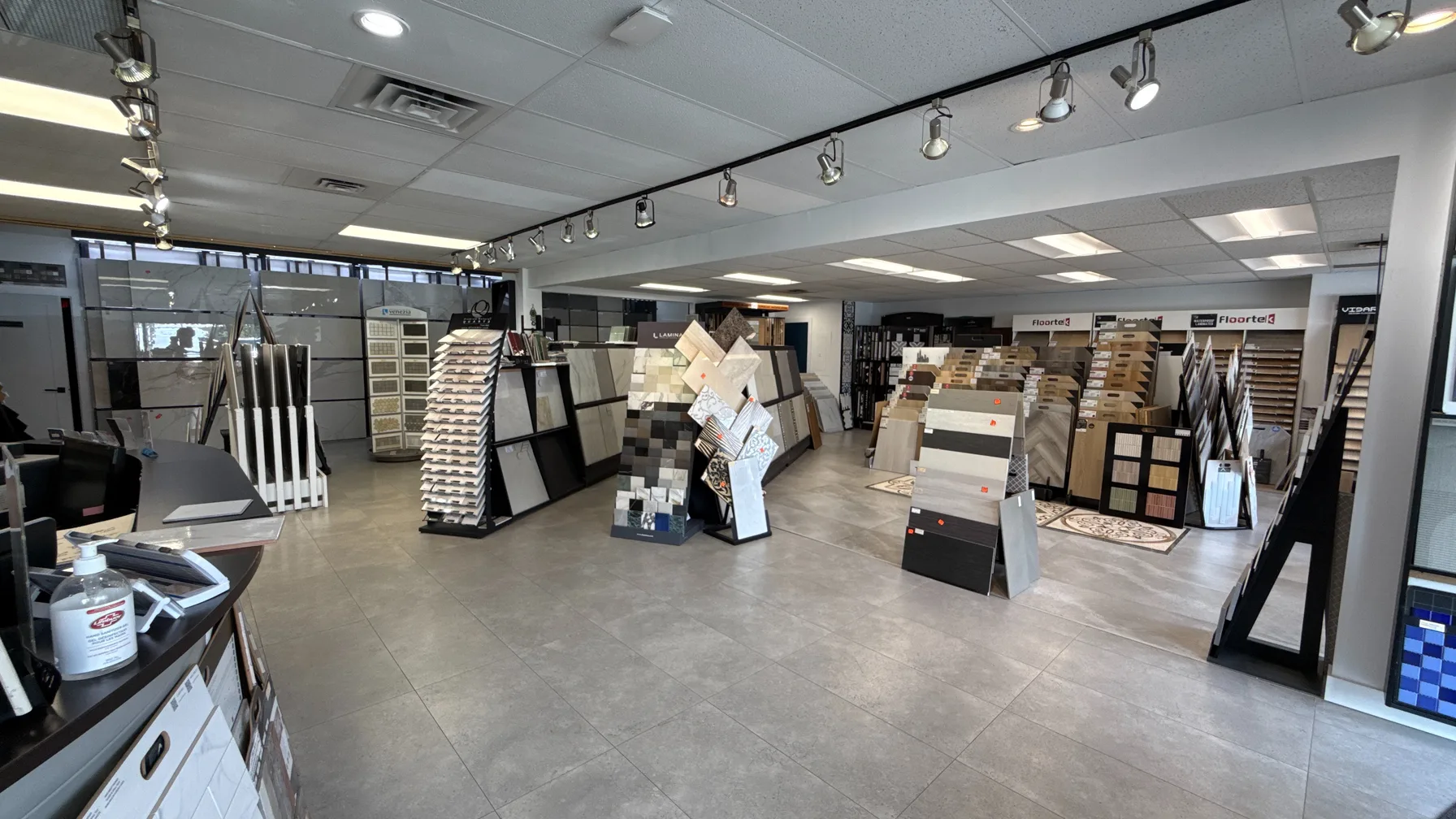
Step onto a tile floor on a damp February morning in Richmond and you understand the appeal of radiant heat in an instant. Tile is a wonderful surface for the Lower Mainland, dense, durable, and unbothered by moisture, but on its own it reads cool underfoot. Pair it with in-floor heating and the same floor becomes the warmest, most comfortable surface in the house. If you are planning a renovation, this is one of the smartest upgrades you can build in, and the reasons come down to physics as much as comfort.
Why tile and radiant heat belong together
Tile is a natural conductor. That is the whole story. A material that moves heat efficiently will pick up warmth from the system below it and pass it evenly to the room and to your feet, without the hot and cold patches you get with insulating surfaces like thick carpet.
Porcelain tile is especially well suited to this. It is fired into a very dense body with extremely low water absorption, so it warms quickly, holds heat steadily, and does not mind the daily temperature swings of a heating cycle. It is also frost and scratch resistant, which is why it performs so well in the kinds of spaces where radiant heat pays off most: bathrooms, entryways, kitchens, and mudrooms that take a beating during a wet coastal winter.
Natural stone works beautifully over radiant heat too, and marble in particular feels luxurious once warmed. Just remember that stone needs sealing and can etch from acidic spills, so it carries a bit more upkeep than porcelain. Both materials, though, share the trait that matters here: they conduct rather than insulate.
Two systems, one goal
Radiant floor heating comes in two broad families, and the right one depends on your renovation.
- Electric mat systems use thin heating cables, often pre-attached to a mesh, that sit in the mortar bed directly under the tile. They are well suited to single rooms, bathroom retrofits, and additions, because they add very little height and are relatively straightforward to zone room by room.
- Hydronic systems circulate warm water through tubing and are typically chosen for whole-home heating or large open areas. They cost more to install but can be efficient to run across a big footprint, especially paired with the right boiler or heat pump.
For most Lower Mainland renovations that focus on a bathroom or a kitchen, an electric system under tile is the common path. For a full new build or a major addition, it is worth having the hydronic conversation with your contractor early.
What to plan for before the tile goes down
Radiant heat is a build-it-in-once decision, so the planning happens before a single tile is set. A few things are worth thinking through with your installer:
- Floor height. The heating layer, mortar, and tile all add thickness. In a retrofit, that can affect door clearances and the transition to adjoining floors, so it gets measured early.
- Insulation underneath. An insulation or uncoupling layer below the heating element directs warmth upward into the tile instead of losing it into the subfloor. This is what makes the system efficient rather than wasteful.
- The uncoupling membrane. Because a heated floor expands and contracts as it cycles, an uncoupling membrane between subfloor and tile absorbs that movement and protects the tile and grout from cracking. In a region with the seasonal humidity swings we see here, it is cheap insurance.
- Thermostat and zoning. A programmable or smart thermostat lets the floor warm before you wake and idle while you are out, which is where the real comfort-per-dollar lives.
- Format and thickness. Large-format porcelain spreads heat evenly with fewer grout lines. Thicker natural stone will take a little longer to warm but will hold that heat longer once it does.
Choosing the right tile for a heated floor
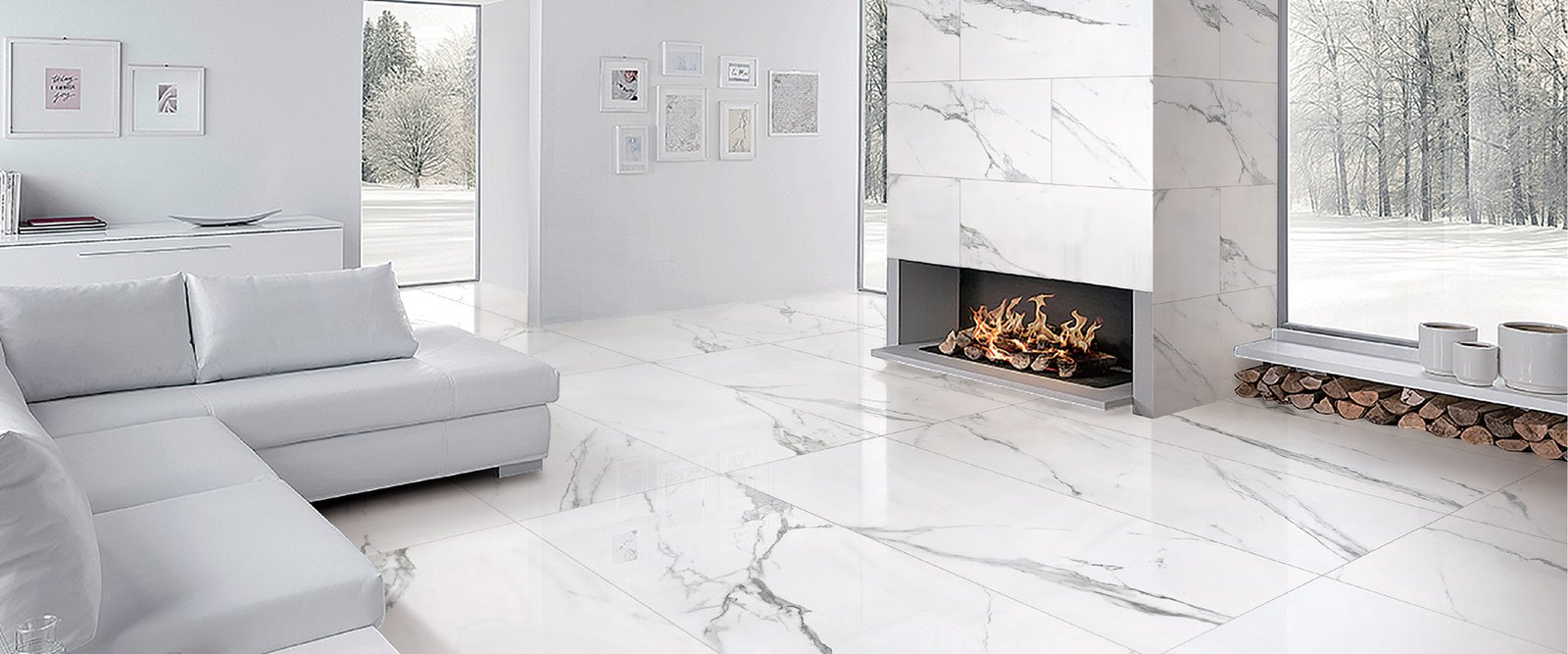
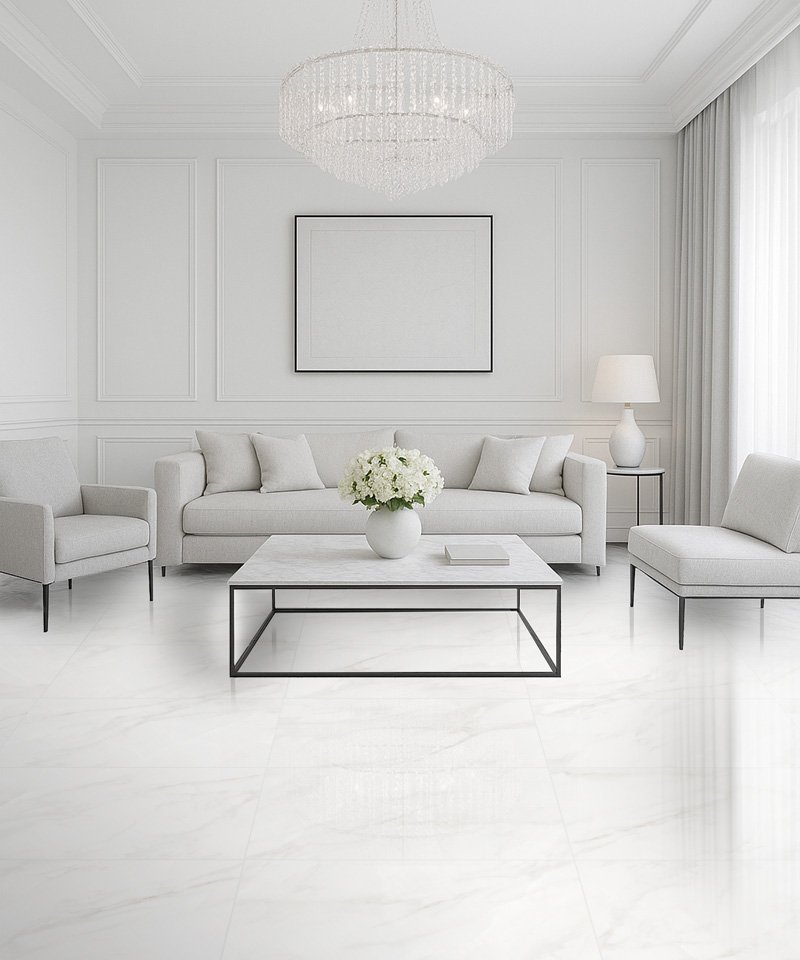
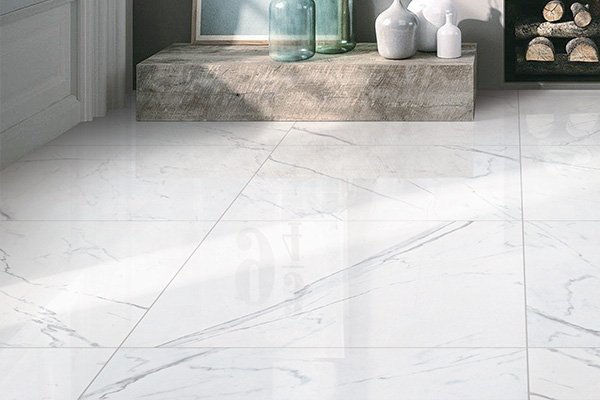
Almost any porcelain or natural stone tile can go over radiant heat, so the choice comes down to look, finish, and how the room is used. A matte or textured porcelain gives grip in a bathroom while still conducting heat well. A marble-look porcelain such as Carrara or a warmer stone-look range like Goya delivers the high-end aesthetic of stone with the low-maintenance behavior of porcelain, a combination that suits the clean, bright interiors common in newer Greater Vancouver homes.
If you love the real thing, marble and other natural stones warm up beautifully, just budget for periodic sealing and treat spills promptly. Whatever you lean toward, seeing the material in person matters, because finish and format change how a heated floor both looks and feels. Our full collections are laid out in the showroom so you can compare side by side.
A comfort upgrade that suits the climate
In a place where the winters are more damp than deeply cold, radiant heat under tile does something central heating alone cannot: it takes the chill out of the surface you actually touch. Warm floors in the ensuite, warm tile at the back door where the wet coats come off, a kitchen that is comfortable barefoot. It is a quiet luxury that earns its keep every morning from October through spring.
There is a practical dividend, too. A heated tile floor helps the surface shed the everyday dampness of coastal living, drying up wet footprints and shower splashes faster than a cool floor would. That means less lingering moisture around the base of a vanity or in a mudroom, and a room that simply feels drier through the grey months. It is not a substitute for good ventilation, but it works alongside it. For homeowners who have lived with a chilly, slow-to-dry bathroom in an older Lower Mainland house, that difference is hard to give up once you have felt it.
Because it is built in beneath the tile, the time to plan it is now, before the renovation starts. If you are mapping out a project and want to talk through tile choices that pair well with in-floor heating, visit our showroom at #3-11240 Bridgeport Rd in Richmond, call 604-270-4993, or reach us through our contact page.
Related Reading
More in This Guide
Why Mosaic Tile Is the Right Choice for Shower Floors
The practical reasons mosaic sheets suit shower floors, slope to the drain and slip resistance, plus how to pair them with wall tile.
Marble-Look Porcelain: The Look of Marble Without the Upkeep
How marble-look porcelain gives you Carrara and Calacatta aesthetics without sealing or etching, and where it works around the home.
Mosaic Tile Collections for Showers, Niches and Backsplashes
The mosaic tile collections on display at Ace Premium Tile & Stone in Richmond BC, from Carrara Mosaic and Metro Mosaic to marble, stone and cement looks.
Featured in this article
Explore These Collections
Planning a Project?
Visit our Richmond showroom to see and touch these materials, or get in touch for samples, pricing, and expert advice.