
How To
How Much Tile to Order: A Planning Guide for Your Renovation
July 15, 2026 · Ace Premium Tile & Stone
Part of our guide: The Complete Guide to Kitchen Tile and Design in Vancouver
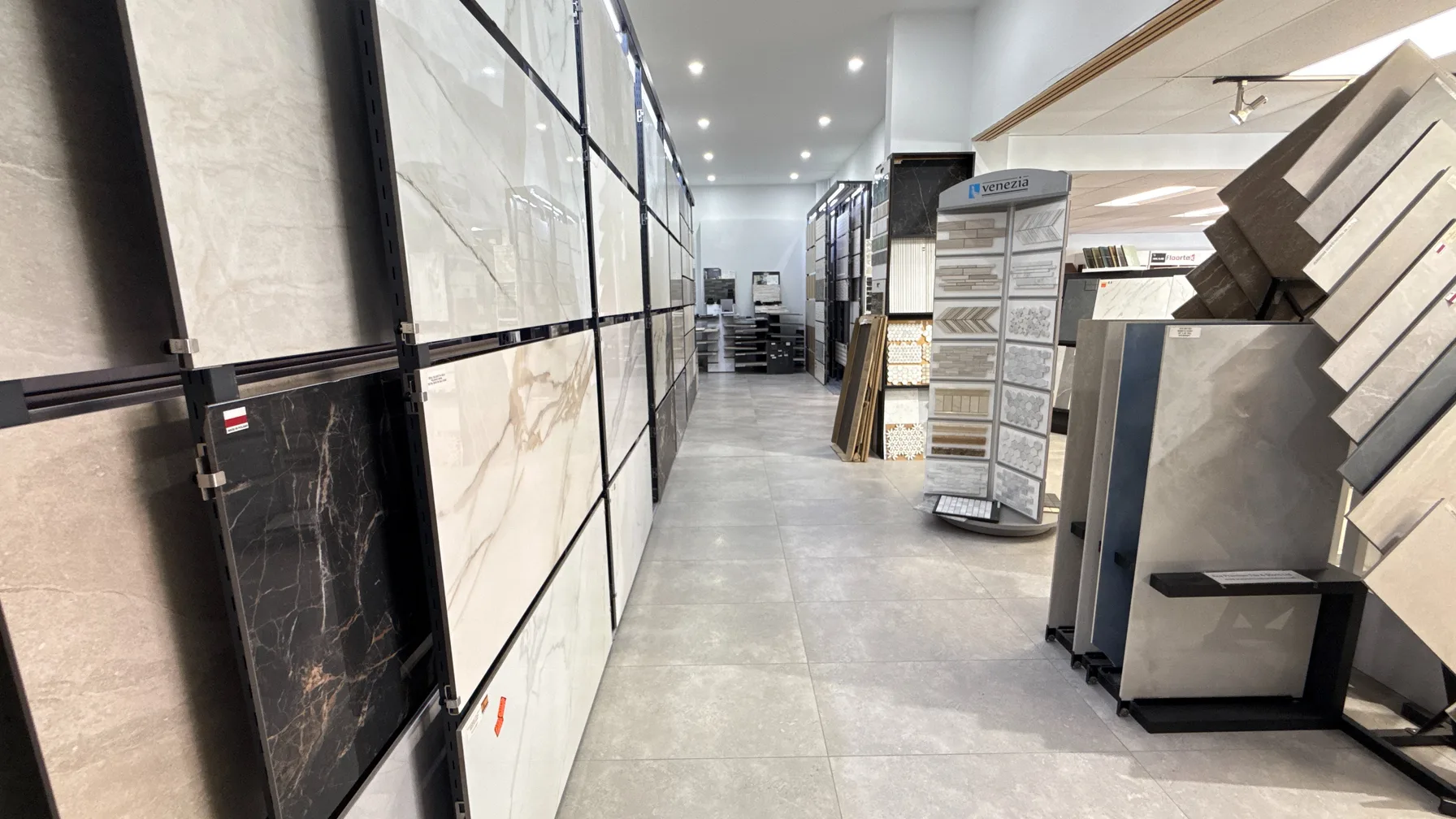
One of the most common questions we hear across the counter is deceptively simple: how much tile should I actually buy? Order too little and you risk a mid-project delay while you chase down more from the same batch. Order too much and you have paid for boxes you will never open. Getting the number right up front saves money, time, and a lot of frustration, and it is not complicated once you know the steps.
Start by measuring the real area
Every estimate begins with square footage. Measure the length and width of each surface you plan to tile, in feet, then multiply the two to get the area. Do this room by room, and wall by wall, rather than trying to hold it all in your head.
A few practical notes for measuring:
- Break irregular rooms into simple rectangles, calculate each one, then add them together.
- Measure walls separately from floors, since they often use different tile.
- For small cutouts like a doorway, most people leave them in the total rather than subtracting, because the offcuts rarely go far.
- Write down each number as you go and label it, so nothing gets mixed up later.
If your space has a lot of angles, a bay window, or a stepped layout, bring your measurements and a rough sketch to the showroom. It is far easier to sort out the math together with the plan in front of us.
Always add for waste
Here is the step people skip, and it is the one that causes most reorders. You never buy exactly the measured square footage. Every job produces waste: tiles cut to fit edges and corners, the occasional cracked piece, and future spares you will want if a tile is ever damaged.
For a straightforward floor or wall with rectangular tile set in a simple grid, adding ten percent over your measured area is a sensible baseline. So a 100 square foot floor means ordering about 110 square feet. That cushion covers normal cutting and gives you a few spare tiles to store.
It also covers the ordinary reality of a renovation. A tile can arrive with a hairline chip, a cut can go wrong, and a room can turn out to be a little less square than it looked. None of these are disasters when you have a small buffer, but each one becomes a scheduling headache if you ordered exactly to the measurement. Think of the overage as the difference between finishing on time and waiting a week for more product to arrive.
Pattern and tile size change the math
Not every layout wastes the same amount. The more your cuts deviate from a simple straight grid, the more material ends up in the offcut pile.
- Diagonal layouts increase waste because nearly every perimeter tile gets cut at an angle. Plan for around fifteen percent.
- Herringbone and other angled patterns are similar, since the repeat forces more cuts along every edge.
- Large format tiles can raise waste too, because a single trimmed panel leaves a bigger unusable remainder than a small tile would.
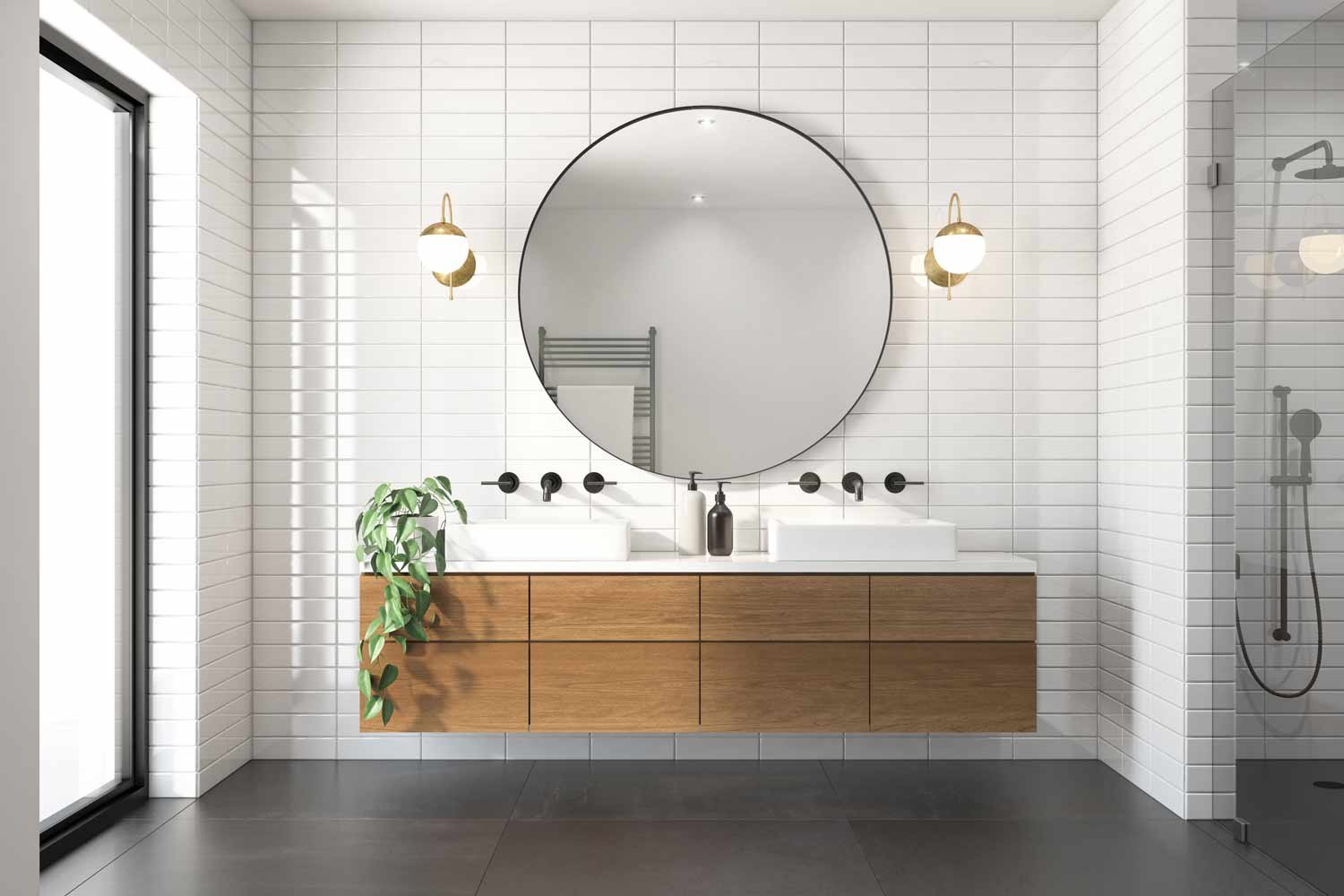
- A classic running-bond wall in a tile like subway is efficient, but even there a modest overage protects you.
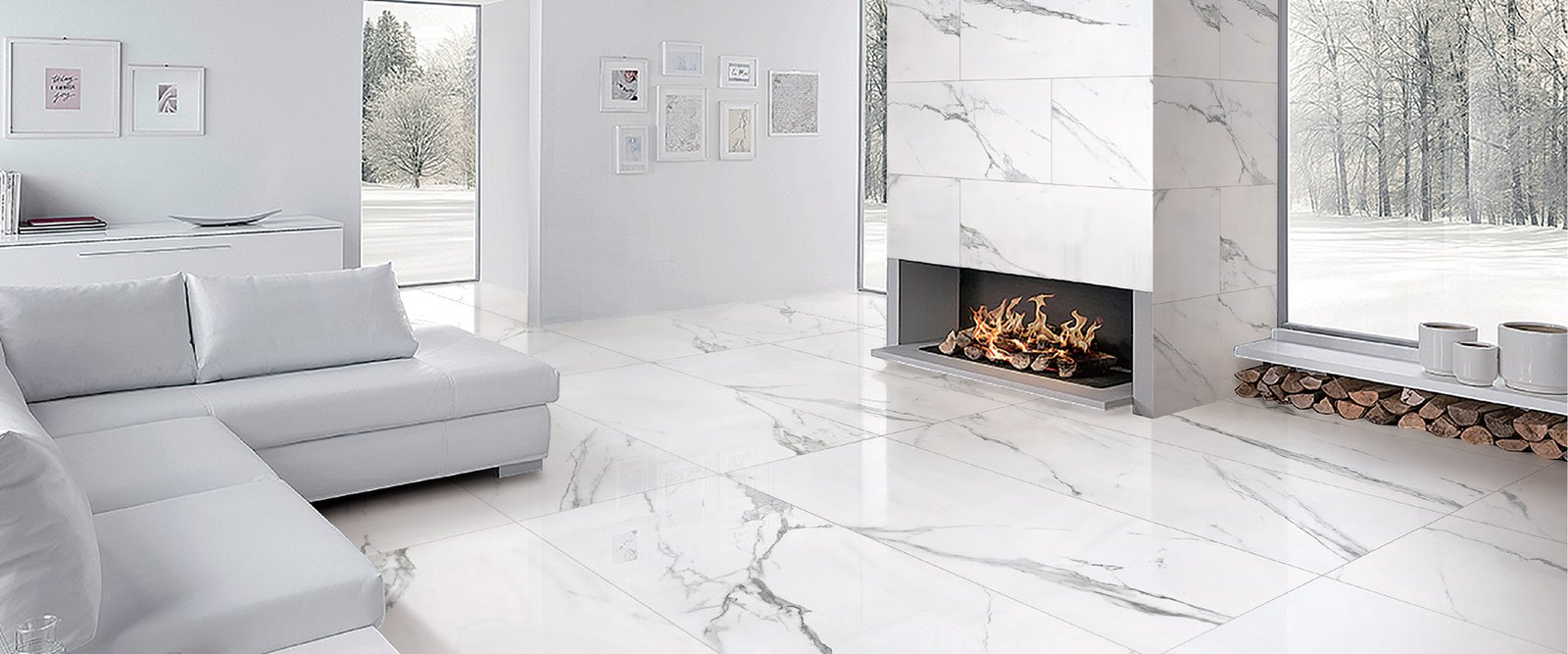
Natural stone and heavily veined marble looks deserve extra thought. If you want the veining to flow across a wall, you may set aside pieces to match the movement, and that selection process consumes more material. When a look like Carrara is the goal, we usually suggest ordering on the higher side so you are not forced to compromise the pattern partway through.
Buy it all in one order
Tile is produced in batches, and color and finish can vary slightly from one production run to the next. Two boxes of the same product bought months apart may not match perfectly. This is why ordering everything, including your waste allowance, in a single purchase is the safe move. Keep the leftover boxes sealed and stored somewhere dry, and note the batch information on them.
This is also why the waste percentage is not wasted money. Those spare tiles are your insurance. If a tile chips years down the road, you can swap in a matched piece from the same batch instead of hunting for a discontinued product.
Do not forget the trim and extras
Field tile is only part of the order. Depending on the project you may also need bullnose or edge pieces to finish exposed corners, transition strips where the tile meets another floor, and enough grout, thinset, and any waterproofing to complete the installation. Listing these alongside your tile count keeps everything arriving together.
Let the showroom run the numbers with you
You do not have to work this out alone. Bring your measurements, a sketch, and a sense of the pattern you want, and our team will help you translate that into a confident order quantity, including the right waste allowance for your specific layout. Because we handle both supply-only and full supply-and-install for homeowners across Richmond and the Lower Mainland, we see the real-world offcut rates on these jobs every week, and we factor that experience into what we recommend.
That local knowledge helps in small ways too. We know that an entryway near our rainy sidewalks takes heavy wear, so having a spare box on hand is worth it, and we can flag when a chosen pattern is likely to push your overage higher than you expected.
When you are ready to turn a rough idea into a precise order, browse the collections to settle on your material, then come see us at #3-11240 Bridgeport Rd in Richmond, call 604-270-4993, or reach out through the contact page, and we will help you order the right amount the first time.
Related Reading
More in This Guide
Kitchen Backsplash Tile Ideas for Greater Vancouver Homes
Backsplash tile ideas from subway to mosaic, with layout, grout, and finish tips that suit real Vancouver kitchens.
Tile Trends to Watch in 2026 for Vancouver Homes
The tile and stone directions shaping Greater Vancouver interiors and outdoor spaces this year, from large format to warm neutrals.
Wall Tile and Backsplash Collections for Vancouver Kitchens and Baths
The ceramic wall tile and backsplash collections at Ace Premium Tile & Stone in Richmond BC: Subway Wall Tile, Larchwood, Masovia, Monpelli and mosaic pairings.
Featured in this article
Explore These Collections
Planning a Project?
Visit our Richmond showroom to see and touch these materials, or get in touch for samples, pricing, and expert advice.